

34·
2 months agoEh, for a toaster it at least makes some sense to have ‘smarts’ for ensuring various types of bread reach the desired crispynes (Lathough none of that needs internet or anything close to 400$ in value). So it would still be more usefull then smart fridge.
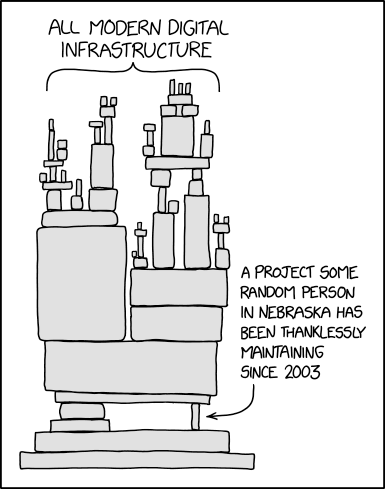
Another issue also is differentiating between hidden requirenments, undocumented features (positive), bugs (negative) and developer choice made during coding of the legacy software which does not affect the program positively or negatively.
A LLM (or alternatively a tem of developers) could do a reasonable well job of repuducing all these features and behaviors in a new program. But at that point you have effectively just cross-compiled your code (and maybe refactored it a bit).
The real issue is in identifying essential and wanted features from all the features, even if you could magically extract all of them. And in most cases that requires a deep understanding of the target audience/customer, which I would argue no person (including the customer), let alone a LLM, just has without years of requirenment refinement.